Fire Ants: complete colony control is the only answer for these survivalists
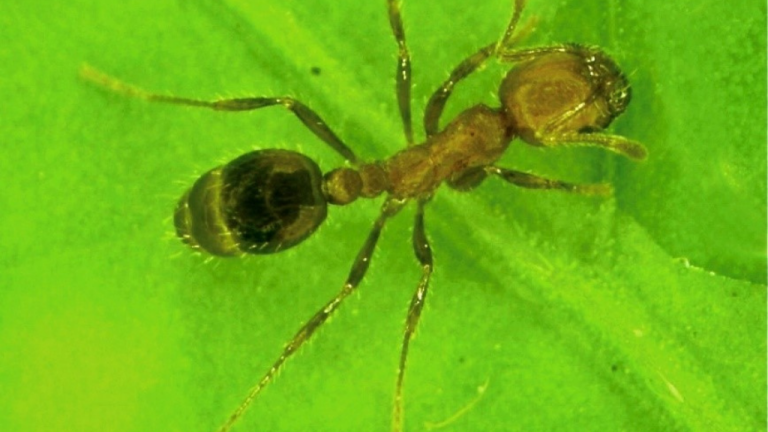
Fire Ants (Solenopsis invicta) also known as Red Imported Fire Ants or R.I.F.A., belong to a relatively exclusive group called Tramp Ants due to their ability to survive movements over very large distances under conditions that would kill most insect families.
Fire Ants were first detected in February 2001 around the Brisbane area. This introduction would have involved a single colony arriving in a sea container, enduring freezing conditions, limited food and surviving disinfection treatments at origin and arrival points. Fire Ants produce large numbers of Queens, which do not compete with each other, but rather cooperate – a characteristic common amongst Tramp Ants. The Queens are key to the expansion of the Fire Ant colonies, recruiting small armies of workers to compete with other insects and dominate their territory area.
However, they aren’t super ants – Fire Ants can be killed just like any other ant when treated with insecticide. The main complication is their ability to breed. Therefore, complete colony control is the only way to prevent a population resurgence.
IDENTIFICATION
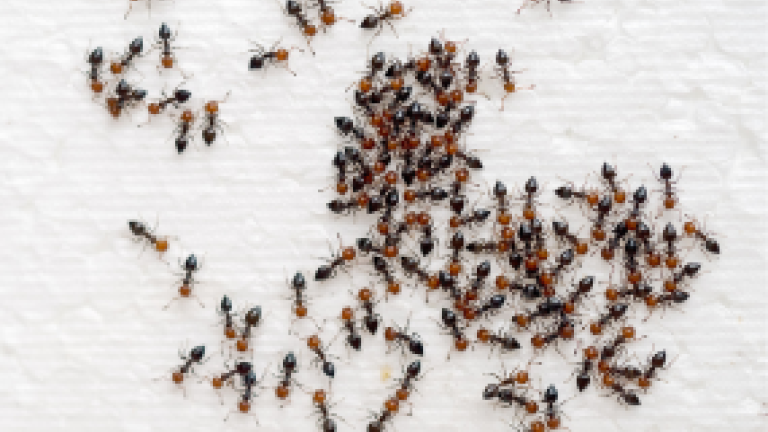
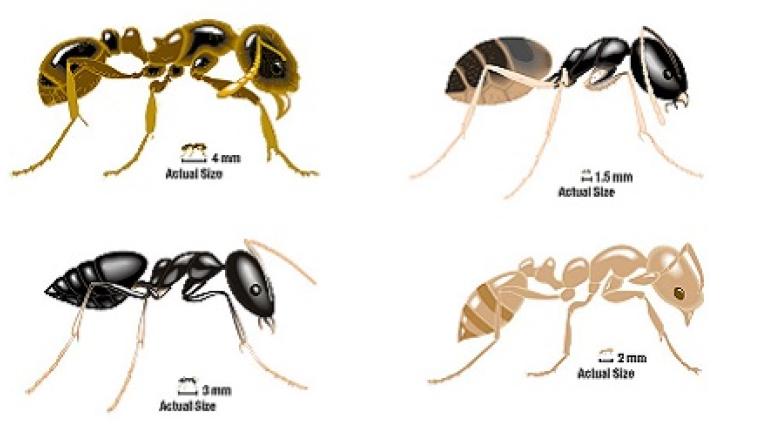
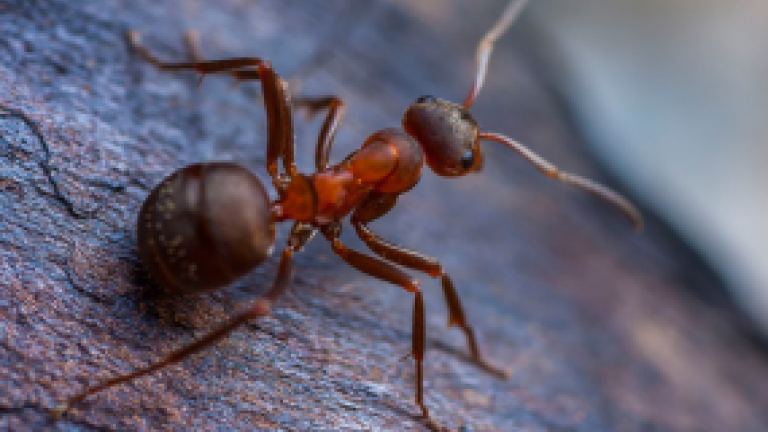
As with any ant treatment, identification is absolutely key. Fire Ants are quite small, around 2-6mm, with an unusual variety of sizes often found within the one nest. Common Red Imported Fire Ant characteristics include:
- Adults are reddish to coppery-brown, with darker coloured abdomens
- They are polymorphic (a colony can contain ants of different sizes)
- They possess a stinger that inflicts a painful, fiery sting, which can in rare cases, cause a severe acute allergic reaction (anaphylaxis)
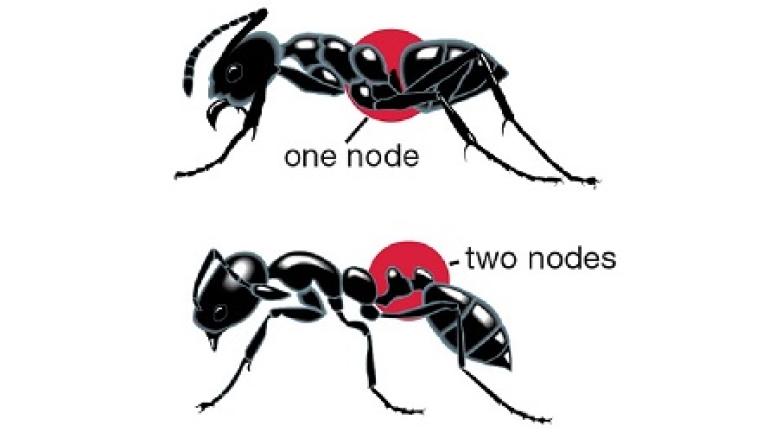
- Their pedicels are two-segmented
- They have 10-segmented antennae with two-segmented clubs
- They can have multiple generations per year
- They can complete a life cycle (from egg to adult) in as few as 30 days
- Queens can survive between two and six years
- Workers can survive for as many as 180 days
- They are active during spring, summer and autumn
One key distinguishing behaviour for Fire Ants, is their incredible aggression when disturbed compared to other ant species. If you gently disturb the nest with a small probe, Fire Ants will explode from healthy nests and rush straight up your stick to attack front on. Whereas most local species of ants will frantically rush around in all directions, coming towards you in very rare circumstances.
INTEGRATED APPROACH IS KEY
An Integrated Pest Management (IPM) approach that includes inspection, identification and chemical controls is key for preventing Red Imported Fire Ants. Even aggressive pests like fire ants can be managed with the right knowledge and tools. By knowing the target pest and using proven application techniques, you can give your customers relief from the threat of Red Imported Fire Ants.
GAINING COLONY CONTROL
A recent survey showed that rapid speed of kill is a consumer’s number one concern for a fire ant bait. With only one application, ADVION® Fire Ant Bait provides control of foraging worker ants within 12 to 48 hours and total colony control within 72 hours. After two applications, year-long colony control can be achieved. No other fire ant bait on the market compares to ADVION® in speed of control.
These time lapse images show just how fast ADVION® Fire Ant Bait can provide fire ant control. In just 72 hours, ADVION® achieved full control.
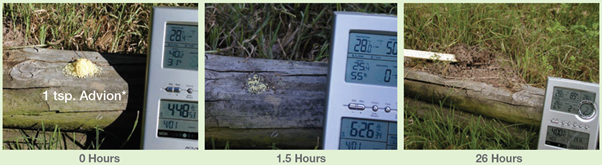
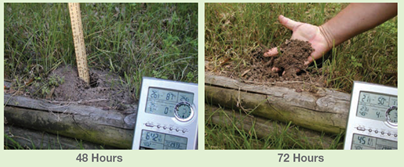
Photos courtesy of Charles Barr, Barr Research and Consulting, College Station, TX.
Colony control is achieved through intelligent formulation of indoxacarb, which offers a unique mode of action compared to other active ingredients. Metabolic activation is the process in which an insect’s own internal enzymes change the molecular structure and attributes of indoxacarb. During this process, insects cleave off the carbomethoxy group from indoxacarb, converting it into a MetaActive™ form. Normally, molecular degradation reduces the effectiveness of insecticides. The opposite is true with indoxacarb; the metabolic activation process actually increases its effectiveness. The MetaActive™ compound is the more powerful form which attacks the insect’s nervous system resulting in paralysis, followed by death. The MetaActive™ activity ensures a delay in effect, allowing ants to consume the bait and return to share the toxin with others in the nest, reducing the need for re-treatment.
The National Red Imported Fire Ant Eradication Program has made significant progress in eradicating fire ants from Australia. Surveillance is ongoing, and treatment and containment measures are continuing in areas of South East Queensland where the ants have been detected. It is essential that you remain vigilant and report any suspected sightings to the National Red Imported Fire Ant Eradication Program on 13 25 23.